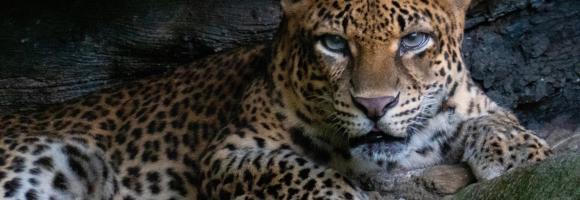
Where are the best places to spot the most requested wildlife-watching species? This grid layer presents a richness index of top wildlife watching species/groups, including rhinos, elephants, lions, leopards, buffalos, giraffes, lowland and mountain gorillas, chimpanzees, bonobos, sifakas, ringtails, aye-aye, mouse lemurs and colobus.
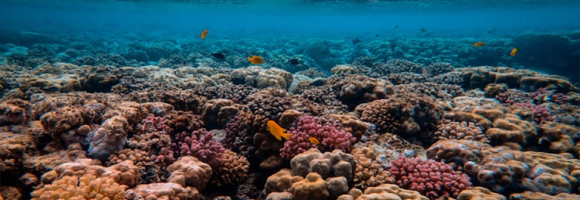
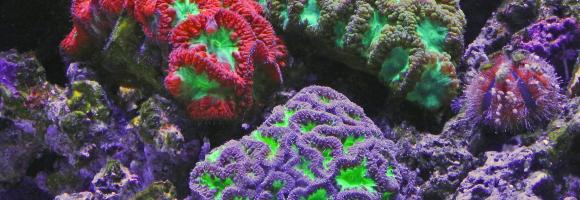
Healthy coral reefs provide a home for millions of aquatic species. They protect coastal homes from storms and support commercial and subsistence fisheries as well as jobs and businesses through tourism and recreation. Yet they are severely threatened by pollution, disease, habitat destruction and climate change. When corals are stressed, they expel the symbiotic algae living in their tissues and become white (bleached) and vulnerable. Corals are vulnerable to bleaching when the sea surface temperature (SST) exceeds the temperatures normally experienced in the hottest month of the year. The NOAA Coral Reef Watch daily global 5km Coral Bleaching HotSpot product measures the occurrence and magnitude of instantaneous heat stress, potentially resulting in coral bleaching. It highlights regions where the SST is warmer than the highest monthly mean. HotSpot values of 1°C or more indicate heat stress leading to coral bleaching and are highlighted in yellow to dark red colors.
This dataset is an index that estimates the relative value provided by coral reefs that protect coastlines through reduction of wave height and wave energy. The value as of 2014 is modelled as a function of exposed populations and infrastructure that received some level of protection from coastal and barrier reefs, and is described in relative terms, classified by decile (i.e., grouped into the most valuable ten percent of reefs for protection, the second-most valuable tenth of reefs, etc.). It was calculated at 1 kilometre (km) resolution globally, encompassing all countries and territories containing coral reefs.
Healthy coral reefs provide a home for millions of aquatic species and numerous ecosystemic services. Yet they are severely threatened. When stressed, corals expel the symbiotic algae living in their tissues and become white (bleached) and vulnerable. The NOAA Coral Reef Watch daily global 5km satellite coral Bleaching Alert Area (7-day maximum) is a composite product that summarizes the current Degree Heating Week (a cumulative measurement of both intensity and duration of heat stress) and Coral Bleaching HotSpot (occurrence and magnitude of instantaneous heat stress) values. At a glance, this layer outlines the current locations, coverage, and potential risk level of coral bleaching heat stress.
This dataset shows the global distribution of coral reefs in tropical and
subtropical regions. It is the most comprehensive global dataset of
warm-water coral reefs to date, acting as a foundation baseline map for
future, more detailed, work. This dataset was compiled from a number
of sources by UNEP World Conservation Monitoring Centre (UNEPWCMC) and the WorldFish Centre, in collaboration with WRI (World
Resources Institute) and TNC (The Nature Conservancy). Data sources
include the Millennium Coral Reef Mapping Project (IMaRS-USF and IRD
2005, IMaRS-USF 2005) and the World Atlas of Coral Reefs (Spalding et
al. 2001).
The availability and quantity of observational species occurrence records have greatly increased due to technological advancements and the rise of online portals, such as the Global Biodiversity Information Facility (GBIF), coalescing occurrence records from multiple datasets. Funded by the world's governments, this international network and data infrastructure is aimed at providing anyone, anywhere, open access to data about all types of life on Earth. This map displays all the observations reported to the GBIF from 1600 to present. This knowledge derives from many sources, including everything from museum specimens collected in the 18th and 19th century to geotagged smartphone photos shared by amateur naturalists in recent days and weeks. Individual records are available at https://www.gbif.org