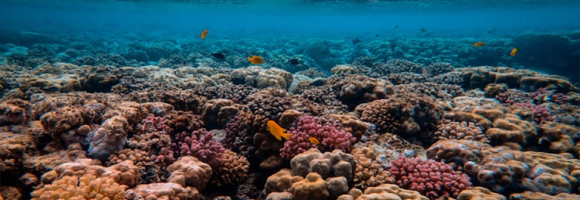
Critical natural assets are defined as the natural and semi-natural terrestrial and aquatic ecosystems required to maintain 12 of nature’s ‘local’ contributions to people (local NCP) in the ocean (blue). 12 Local NCP for key benefits like security in food, water, hazards, material and culture. as follows: for food, pollinator habitat sufficiency ofr pollination dependent crop production, fodder production for livestock, wild riverine and marine fish catch ; for water, water quality regulation, via sediment retention and nutrient retention; for natural hazards, flood risk reduction and coastal risk reduction. For materials, timber production, fuelwood production and access to nature. For cultural benefits, coral reef tourism and access to nature for recreation or other uses. Criticality of the natural assets was defined on the basis of the highest value areas across all NCPs, the magnitude of benefits and the number of beneficiaries. Cropland, urban areas, bare areas and permanent snow and ice are excluded from the analysis.
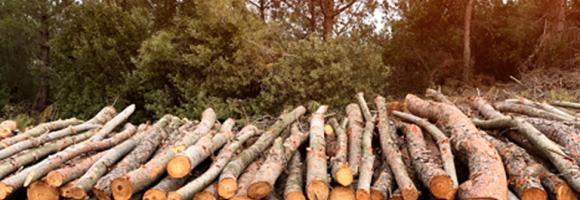
Critical natural assets are defined as the natural and semi-natural terrestrial and aquatic ecosystems required to maintain 12 of nature’s ‘local’ contributions to people (local NCP) on land. 12 Local NCP for key benefits like security in food, water, hazards, material and culture. as follows: for food, pollinator habitat sufficiency ofr pollination dependent crop production, fodder production for livestock, wild riverine and marine fish catch ; for water, water quality regulation, via sediment retention and nutrient retention; for natural hazards, flood risk reduction and coastal risk reduction. For materials, timber production, fuelwood production and access to nature. For cultural benefits, coral reef tourism and access to nature for recreation or other uses. Criticality of the natural assets was defined on the basis of the highest value areas across all NCPs, the magnitude of benefits and the number of beneficiaries. Cropland, urban areas, bare areas and permanent snow and ice are excluded from the analysis.
The IUCN IMMA layer identifies specific habitat areas crucial for one or more marine mammal species, which may be suitable for conservation through delineation and management. IMMAs represent regions that could benefit from targeted protection and/or monitoring. They serve as a marine mammal data layer highlighting important biodiversity, and potentially ecosystem health, which can be prioritized for protection and management by governments, intergovernmental organizations, conservation groups, and the public.
The Marine Ecoregions of the World is a global system to classify the oceans, helping to plan and prioritise marine conservation measures. How much are marine areas are protected at ecoregion level? For each African marine ecoregion, this map shows the percentage covered by protected areas.
The United Nations Educational, Scientific and Cultural Organization (UNESCO) seeks to encourage the identification, protection and preservation of natural heritage around the world considered to be of outstanding value to humanity. This is embodied in an international treaty called the Convention concerning the Protection of the World Cultural and Natural Heritage, adopted by UNESCO in 1972. What makes the concept of World Heritage exceptional is its universal application. World Heritage sites belong to all the peoples of the world, irrespective of the territory on which they are located.