The INFORM Risk Index 2021 is a composite model structured into a hierarchy of dimensions, categories, and components. All scores are normalized on a scale of 0 to 10 (10 being the highest risk).Below...
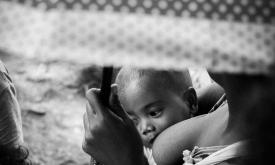
This layer shows the percentage of children under 6 months who are exclusively breastfed, meaning they receive only breast milk without any additional food or drink. Exclusive breastfeeding is a key d...
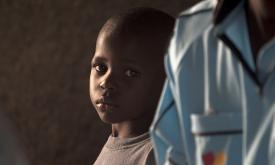
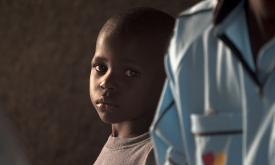
This layer shows the percentage of children under 5 years of age (in 2019) who are underweight, based on low weight-for-age. Underweight is a composite indicator capturing both chronic and acute under...
This layer shows the prevalence of wasting among children under 5 years of age (in 2019), a sign of acute undernutrition indicated by low weight-for-height. Wasting reflects recent and severe weight l...
This layer shows the percentage of children under 5 experiencing severe wasting (in 2019) — the most critical form of acute malnutrition. These children face a significantly higher risk of mortality ...
This layer shows the estimated number of deaths per 1,000 live births among children under 5 years of age (in 2017) — a key indicator of child survival and overall health system performance. High unde...
This layer represents the estimated travel time (in hours) by foot to the nearest healthcare facility. The underlying methodology is described in Weiss et al. (2020), which leverages major data collec...
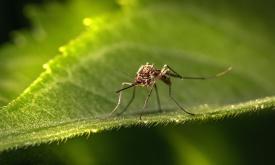
This layer provides estimates of the percentage of children aged 2 to 10 years (PfPR2–10) with detectable Plasmodium falciparum parasites in 2022. The estimates are generated using geostatistical mode...
This dataset provides estimates of the total number of under-5 children per grid cell, for Uganda. The data come from the WorldPop R2025A, version v1 release. The dataset is available in GeoTIFF forma...
All known formal and informal settlements of forcibly displaced and stateless people in Africa from UNHCR’s GIS database as of November 2025. Population in the settlement. It may include several cate...
Number of maternal deaths during a given time period per 100 000 live births during the same time period. The lower the number of healthcare facilities with access to electricity the greater the poten...
Prevalence of underweight (weight-for-age <-2 standard deviation from the median of the World Health Organization (WHO) Child Growth Standards) among children under 5 years of age. Survey estimates...
Percentage of undernourished people. The higher the incidence of undernourished people the more beneficial decentralised renewable energy solutions may be, in terms of improving both cooking facilitie...
Number of deaths attributable to household air pollution resulting from solid fuels for cooking. Evidence from epidemiological studies have shown that exposure to smoke from incomplete combustion of s...
Percentage of children 24-35 months who had received all age appropriate vaccinations. The lower the number of vaccinated children, the more beneficial decentralised renewable energy solutions may be ...
Percentage of healthcare facilities with electricity access in selected countries. Information on electricity access for healthcare facilities has been collected in the electricity access health facil...
Malaria, a life-threatening disease transmitted by mosquitoes, affects millions of people worldwide. Treatment and prevention efforts such as insecticide-treated mosquito nets and rapid diagnostic tes...
Whether you’re monitoring crops, modelling green energy installations or soil sealing, combatting loss of natural resources or just helping countries meet their Sustainable Development Goals, chances ...
Poverty affects billions of people around the globe. On a daily basis, they face low wages and substandard health, education, and living standards. Because of this, poverty must be understood and appr...
Malaria, a life-threatening disease transmitted by mosquitoes, affects millions of people worldwide. This layer highlights malaria rates among children age 2 to 10 in Sub-Saharan Africa in 2015.
These interactive stories are aimed at EU policymakers and African stakeholders. All stories are relevant to all African countries, but some present country specific data.